What Is the Safest Sedation for Your Child's Dental Work in Plympton?
A plain guide for parents who want to know how sedation works, who is allowed to give it and how to get your child ready.
What is the safest sedation for dental work?
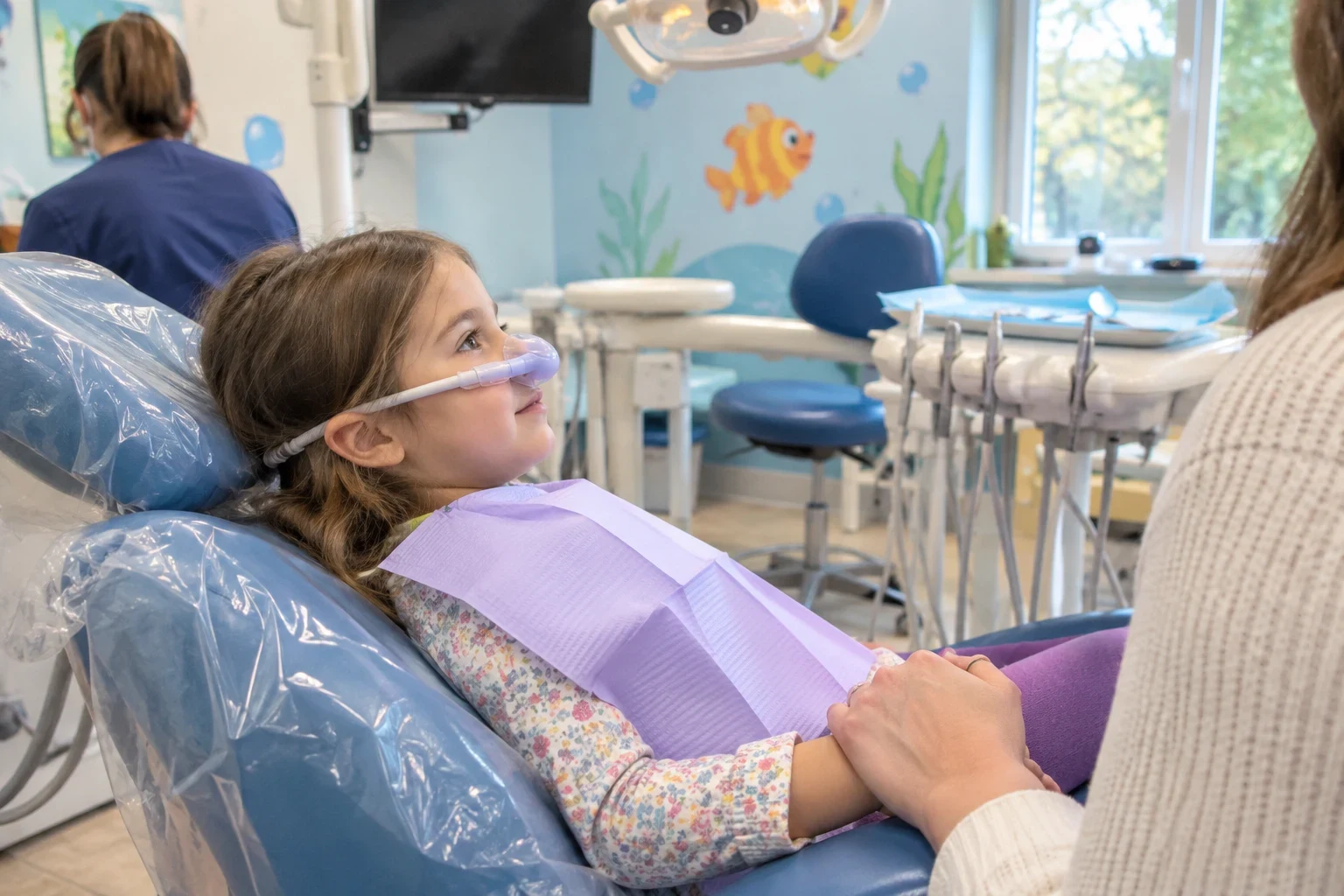
For most kids, the safest sedation is the lightest level that lets the work get done comfortably, and that is usually nitrous oxide, often called laughing gas. Your child stays awake, breathes it through a small nose mask, and it wears off within minutes. Deeper sedation can also be safe when it is properly permitted and monitored.
Which kinds of sedation are used for kids' dental work?
Sedation is not one thing. It runs from a light, relaxed feeling all the way to full sleep, and each step deeper needs more training, more equipment and closer watching. Numbing medicine for the tooth itself is not sedation at all; it only stops the pain in one spot.
Most children who need help staying calm fall into the first two groups below. General anesthesia is saved for longer treatment, very young kids with a lot of work to do, or children with medical or sensory needs that make a regular visit too hard.
- Local numbing: a gentle shot that numbs one area. Your child is fully alert.
- Nitrous oxide: a mix of nitrous and oxygen through a nose mask. Kids feel relaxed and a little floaty, then recover quickly once they breathe plain oxygen.
- Oral (moderate) sedation: a liquid medicine taken before treatment. Your child is drowsy but can still respond, and the effects last for several hours.
- General anesthesia: your child is fully asleep, with a trained anesthesia provider watching breathing and heart rate the whole time.
Why is the lightest option usually the safest?
Every level of sedation slows the body down a little. The lighter the sedation, the less it affects breathing, and the faster your child goes back to normal. Nitrous oxide is popular for exactly this reason: the dose can be adjusted during the visit, and it clears out of the body within minutes after the mask comes off.
That does not mean deeper sedation is risky by default. For a child who needs several fillings or a pediatric crown and cannot sit still safely, a deeper level done with the right monitoring can be the safer path. A child who panics and moves during treatment is more likely to get hurt than one who is calm and still.
The honest answer for your child depends on their age, their health, how anxious they are and how much work is needed. A good dentist explains why they are recommending a level, and is just as comfortable telling you when your child does not need sedation at all.
What rules keep dental sedation safe in Massachusetts?
Massachusetts does not let any dentist give any level of sedation. The state board that licenses dentists sets permit rules, and the requirements get stricter as sedation gets deeper. Those rules cover the dentist's training, the staff in the room, the monitoring equipment and the oxygen and rescue supplies kept ready in case a child needs extra support.
National pediatric dental and medical groups also publish guidelines for sedating children. They call for a full health history before the visit, fasting instructions when deeper sedation is planned, continuous monitoring of oxygen levels and breathing, and a clear plan for recovery before a child leaves. You have every right to ask a dental office how they follow these rules, and a straight answer is a good sign.
- Ask which sedation permit the dentist holds and what level it covers.
- Ask who watches your child during treatment and what they monitor.
- Ask what oxygen and breathing support equipment is in the room.
- Ask how long your child will be observed before going home.
How should you prepare your child for a sedation visit?
Preparation is part of safety. Before any sedation, we go over your child's health history, current medicines, allergies and any recent colds or breathing problems. A stuffy nose can matter, especially with nitrous oxide, so tell us if your child is sick in the days before the visit.
If you are given eating and drinking instructions, follow them exactly. An empty stomach lowers the chance of problems if your child gets drowsy. Dress your child in loose, comfortable clothes, bring a favorite blanket or toy, and plan for a quiet rest of the day after oral sedation or anesthesia.
Keep the talk at the dinner table simple and calm. Telling kids they will breathe a special air that makes them feel relaxed works better than long explanations or words like shot and hurt.
More questions parents ask about sedation
- Is laughing gas safe for toddlers?
- Nitrous oxide is widely used for young children because it is mild and wears off fast. Whether it is right for your toddler depends on their health and whether they will keep the nose mask on, which we talk through at the visit.
- Will my child remember the treatment?
- With nitrous oxide, most kids remember the visit but feel it went by easily. With oral sedation or general anesthesia, many children remember little or nothing of the treatment itself.
- Does insurance cover sedation?
- Coverage varies by plan and by the reason sedation is needed, so it helps to check with your insurer. We accept MasterCard, Visa, Discover, most insurance plans and CareCredit Patient Payment Plan.
- Can my child eat right after sedation?
- After nitrous oxide, most kids can eat soon after the visit. After deeper sedation, start with water and soft foods once your child is fully awake, and follow the instructions we give you.
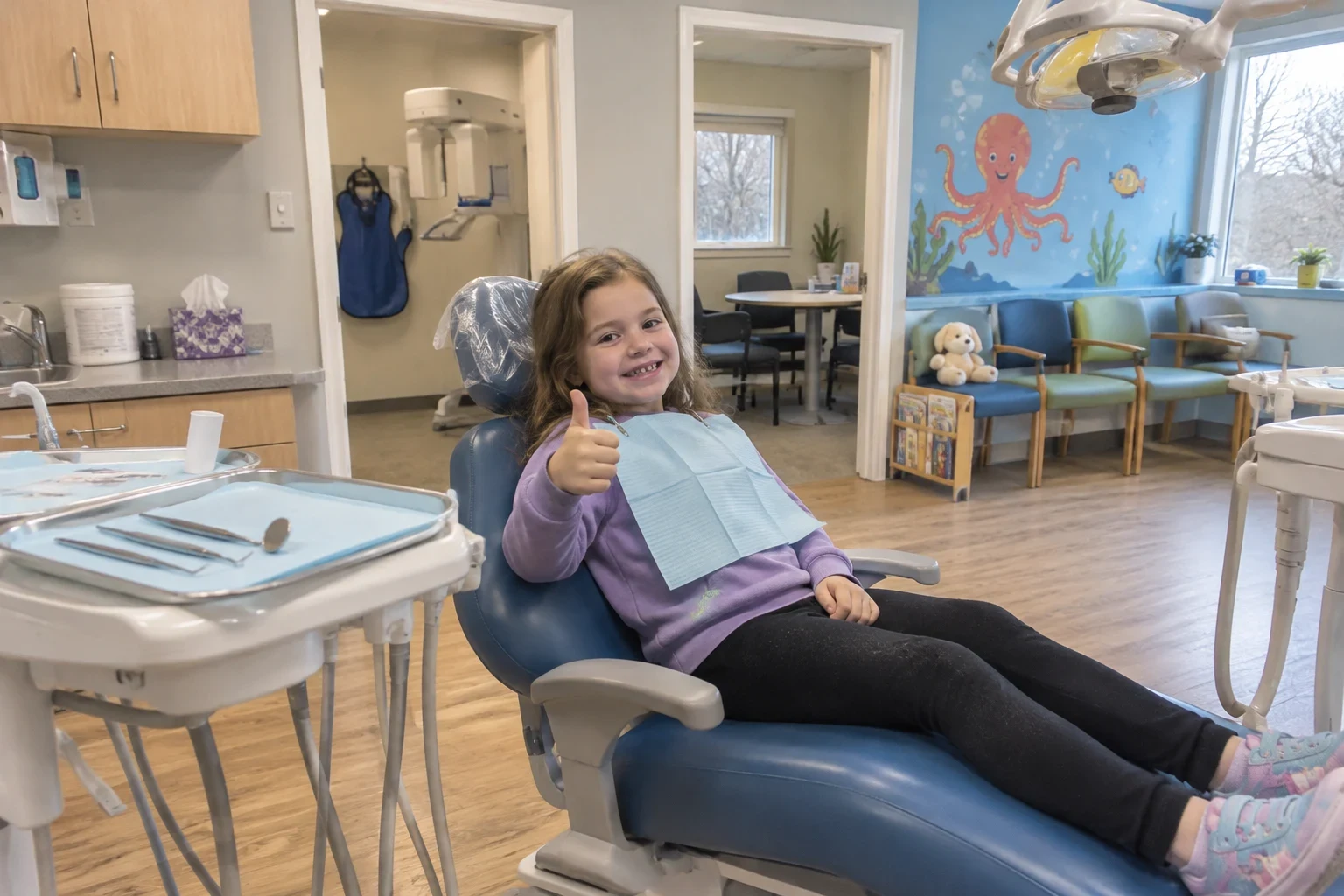
Talk through sedation for your child
Call to set up an appointment or register as a new patient. We will go over your child's health history, explain which level makes sense and why, and answer every safety question you have before anything is decided.