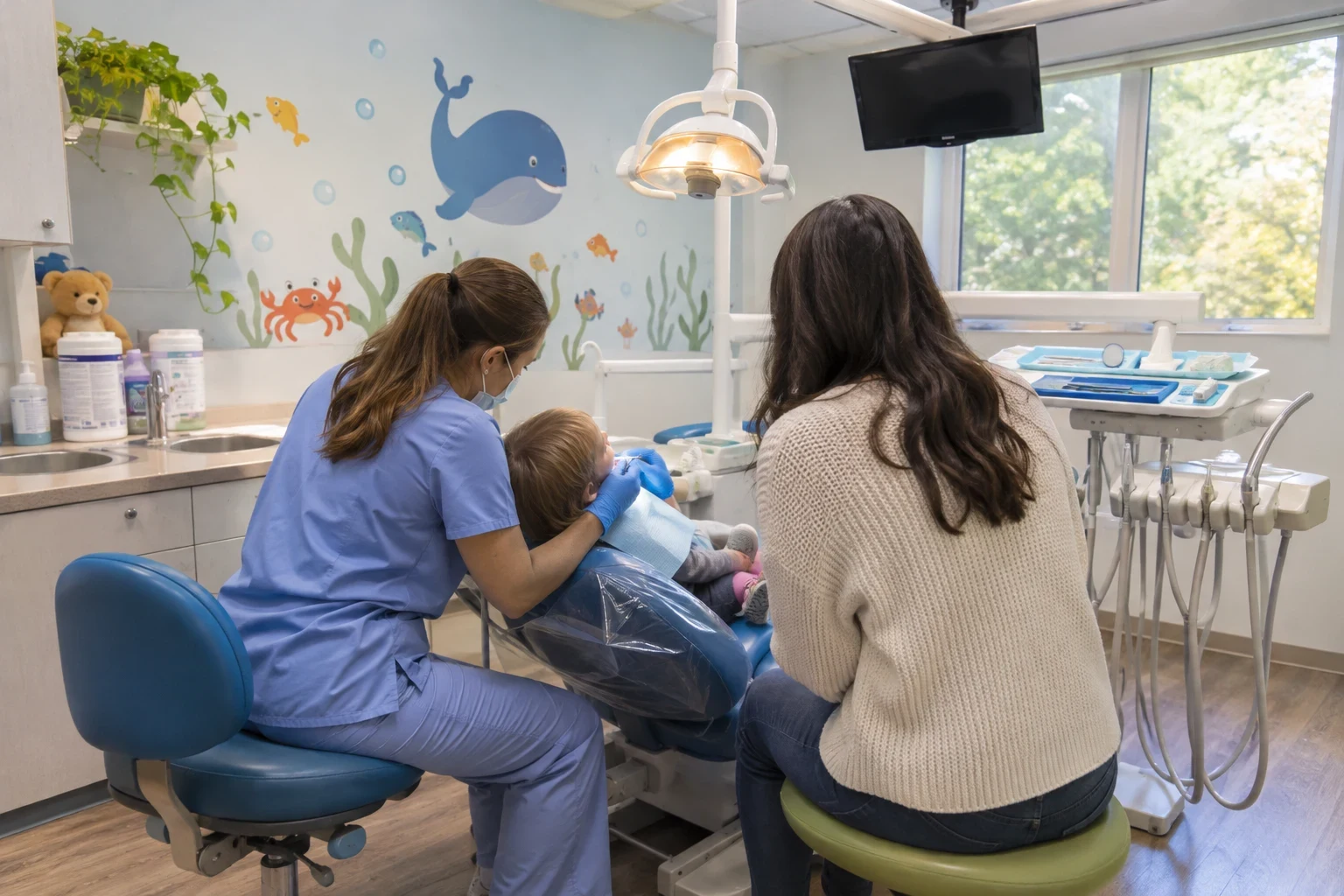
KID-FRIENDLY DENTISTRY IN PLYMPTON, EXPLAINED IN PLAIN WORDS
We care for babies, toddlers, kids and teens with exams and cleanings, sealants, fluoride treatment, fillings and calm sedation options when a child needs extra help. Before any treatment, we show you what we found and explain why it matters, in plain words. Families visit us from Plympton, Kingston and Halifax.
- Plain-language treatment plans
- Kid-paced first visits
- Most insurance plans accepted
- CareCredit payment plans
Dental Care for Every Stage of Childhood
Most visits are about keeping healthy teeth healthy: exams and cleanings, fluoride treatment and sealants on new back molars. When a tooth needs more, we handle fillings, pediatric crowns, root canals on baby teeth and extractions. We also place space maintainers when a baby tooth is lost early and treat tongue-tie and lip-tie with frenectomies. If your child is anxious or needs a longer visit, our sedation dentistry page explains the options.
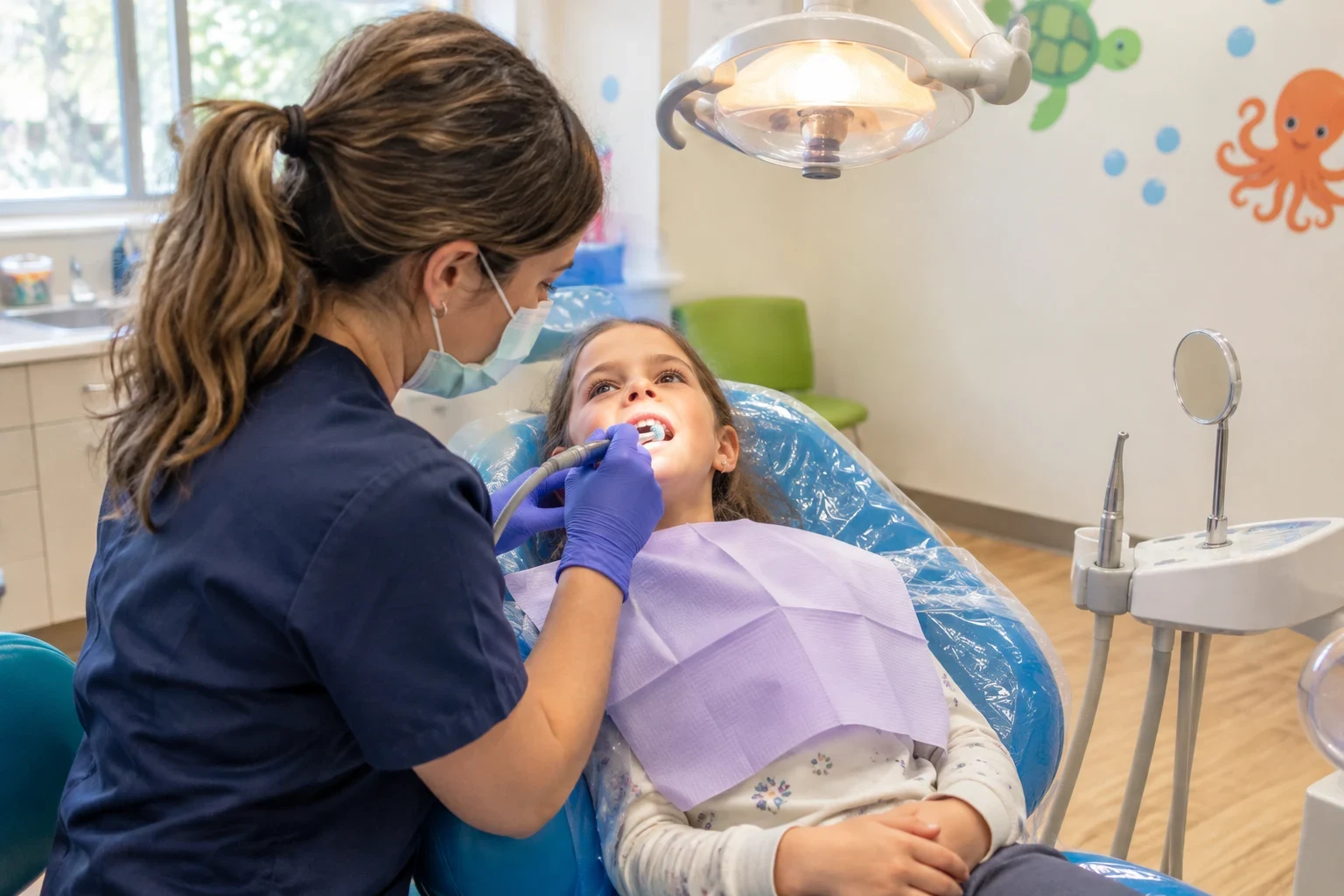
Exams & Cleanings
Regular checkups and gentle cleanings that catch small problems early and help kids feel at ease in the dental chair.
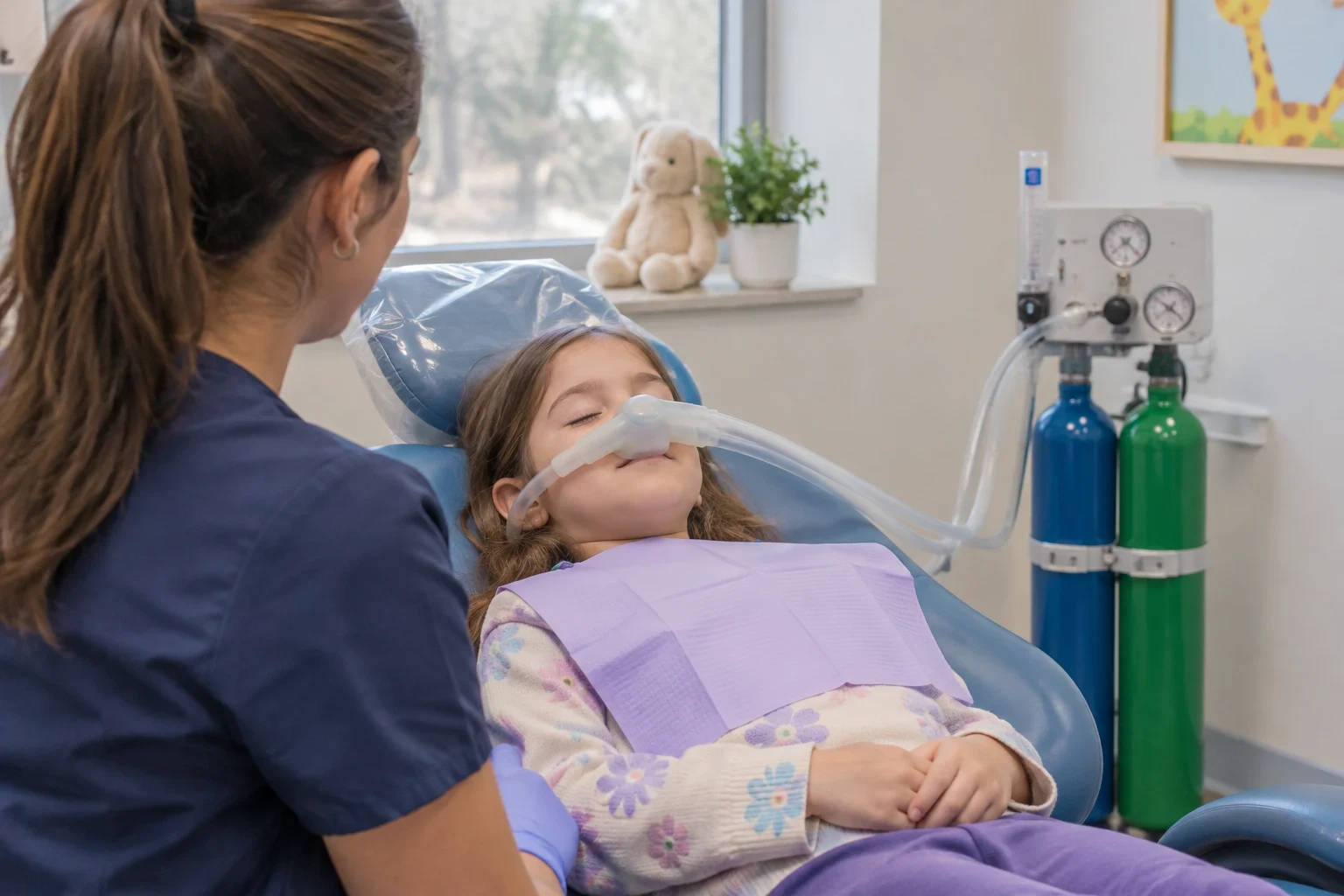
Sedation Dentistry
Calming options like nitrous oxide for kids who are anxious or need longer treatment, with a health review first and careful monitoring throughout.
Fillings
Small cavities fixed with tooth-colored fillings, careful numbing and a plain explanation of what we found and why it matters for baby and adult teeth.
Root Canals
Gentle pulp treatment that saves an infected or deeply decayed tooth, for baby teeth and teen permanent teeth.
Extractions
When a baby tooth won't let go or a tooth can't be saved, we remove it gently and explain every step to you and your child first.
Frenectomies
A careful check of how your child's tongue and lip move, and a quick, gentle release when a tight frenum is truly causing feeding, speech or dental trouble.
Sealants
A thin protective coating painted into the deep grooves of back teeth to help keep cavities out, with no drilling or numbing needed.
Space Maintainers
A small custom appliance that holds the gap after a baby tooth comes out early, so neighboring teeth stay put until the adult tooth arrives.
Pediatric Crowns
Small, sturdy caps that protect a badly decayed or broken tooth until it's ready to fall out on its own, placed gently and explained in plain words.
Fluoride Treatment
A thin coat of fluoride varnish painted on in under a minute helps your child's enamel resist the early spots that turn into cavities.
Families We See Around Plympton
Our office cares for kids from Plympton and the nearby towns, including Kingston, Halifax, Pembroke, Carver and Hanson. Many families also come from Bridgewater, East Bridgewater, Middleborough, Middleborough Center and Duxbury. Some questions can be handled by phone or video before an office visit.
- Plympton
- Kingston
- Halifax
- Bridgewater
- Middleborough
- Pembroke
- Duxbury
- East Bridgewater
- Carver
- Hanson
- Middleborough Center
Not sure if the drive makes sense for your family? Ask when you phone, and we will help you plan the visit around school and work.
How a Visit With Us Works
From the first phone call to the follow-up, here is what you and your child can expect.
- 1
Your phone call
Tell us your child's age, any worries and your insurance. We handle new patient registration on that call and book an appointment that works for your family.
- 2
Meet and look around
Your child gets to see the chair, the light and the tools before anything touches their teeth. We use simple words and let them set some of the pace.
- 3
Exam, cleaning and a clear answer
We check teeth, gums, bite and growth, clean and polish, and take X-rays only if they are needed. Then we sit down with you and explain what we saw.
- 4
A written plan if treatment is needed
You get a list of each recommended step, what can wait and what to expect on treatment day, including any sedation instructions. You decide when to go ahead.
- 5
Follow-up and checkups
After treatment we tell you how to care for the tooth at home and when to come back. Most kids then settle into regular checkups every six months.
What Shapes the Cost of Your Child's Care
No two kids' mouths are the same, so the cost depends on what your child actually needs. A routine checkup and cleaning is very different from a visit with fillings and sedation. Here is what moves the number, so the written plan makes sense when you see it.
After the exam, you get a written, line-by-line plan before any treatment starts. We accept MasterCard, Visa, Discover, most insurance plans and CareCredit Patient Payment Plan.
- The treatment itself
- Preventive care like exams, cleanings, fluoride and sealants is simpler than restorative work. A filling, a pediatric crown and a baby-tooth root canal each involve different time and materials.
- How many teeth are involved
- Treating one small cavity is a different job from treating several teeth. We often group work into fewer visits when that is easier on your child.
- Sedation needs
- Nitrous oxide, oral sedation and deeper options each carry different preparation, monitoring and time. We only suggest sedation when it truly helps your child get through care safely.
- Materials
- Some teeth do well with a tooth-colored filling, while a badly decayed baby molar may need a stainless steel or tooth-colored crown. We explain why one fits better than another for that tooth.
- Your insurance plan
- Coverage differs a lot between plans, especially for sealants, sedation and frenectomies. We help you understand what your plan lists and when a pre-approval from the insurer makes sense.
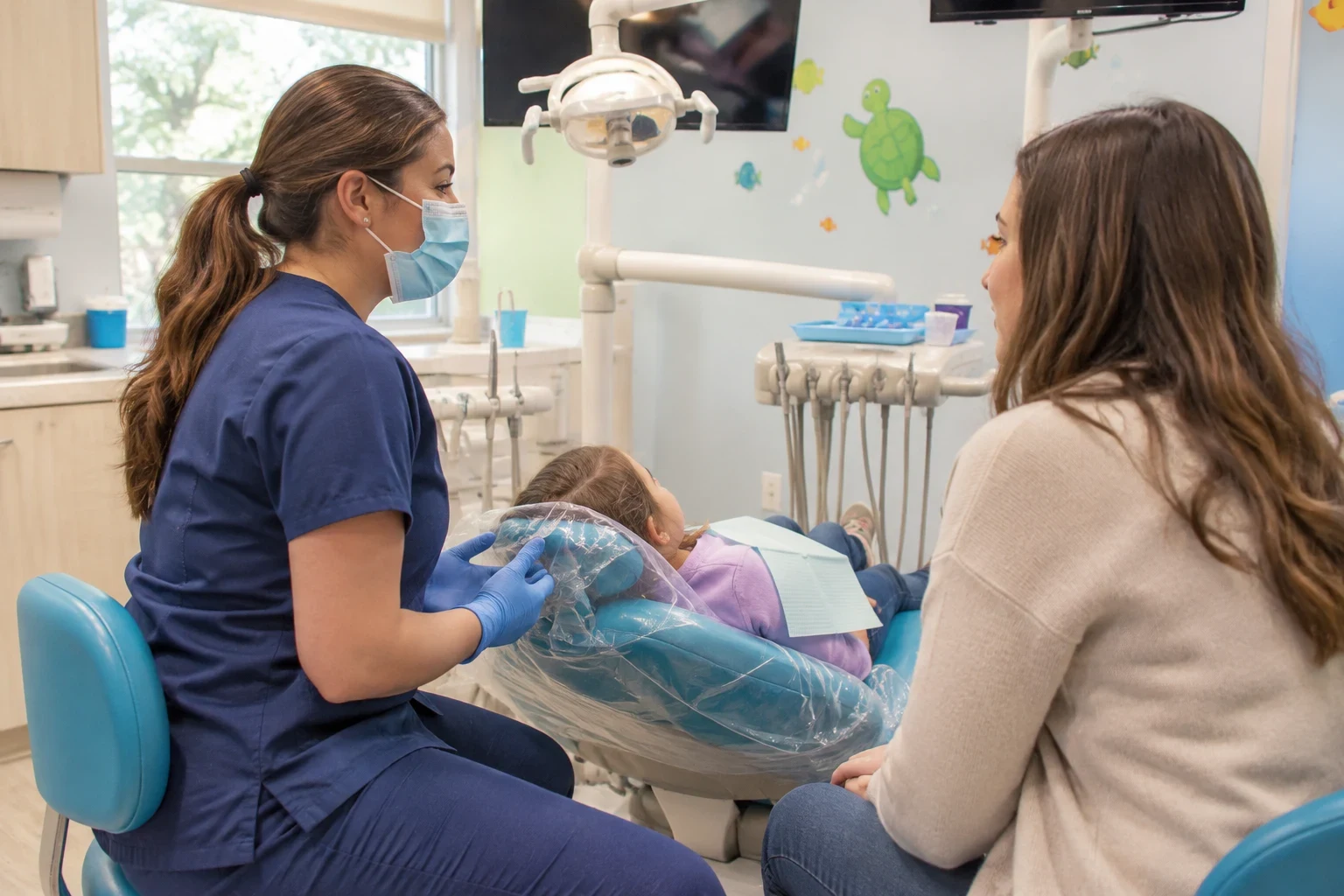
Why Parents Choose Us
Kids do best when the adults around them know what is happening. So we explain every recommendation, every safety step and every form before we ask you to decide.
- The rules, explained before the visit
- Dental care for children comes with real safety requirements: consent forms, X-ray guidelines, eating and drinking instructions before sedation. We go over each one with you ahead of time, so nothing on the day is a surprise. If a form asks something unclear, we answer it in plain words.
- X-rays only when they help
- We take X-rays based on your child's age, cavity risk and what we see in the exam, not on a fixed schedule. When we do take them, your child wears a protective apron and collar, and we show you the images.
- An honest answer on what can wait
- Not every spot on a baby tooth needs a filling, and not every baby tooth needs saving. We tell you which problems need care now, which can be watched and why, so you are never pushed into treatment your child does not need.
- A pace that fits your child
- A nervous three-year-old and a busy teenager need different visits. We let kids look, touch and ask questions first. For a child who still cannot settle, we talk through sedation options and the safety steps that come with each one.
- Photos and a written plan
- When we find a problem, we show you photos or X-rays of it and give you a written treatment plan listing each step. You can take it home, check it against your insurance and decide on your own time.
About Plympton Pediatric Dentist
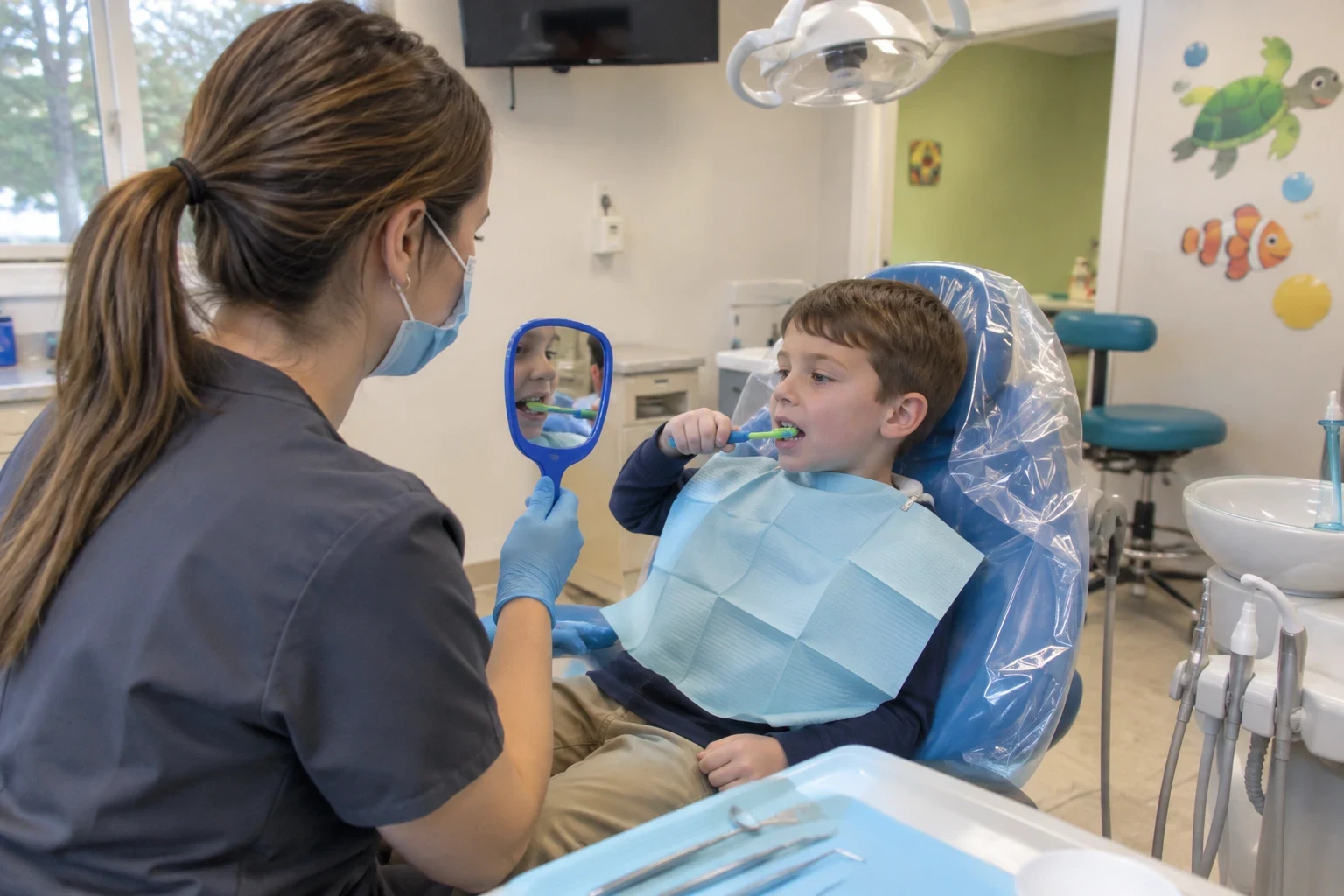
We are a dental office just for kids, from the first tooth through the teen years. Our whole approach starts with a simple idea: parents should understand exactly what is happening in their child's mouth and why.
That means we explain things that many offices skip over. What the consent form covers. Why we recommend sealants on six-year molars but may hold off on a small spot on a baby tooth. What the fasting rules before sedation are for. When you understand the reasons, it is much easier to help your child feel comfortable too.
We keep the room calm, the words simple and the visits short when they can be. Our goal is a child who leaves with healthy teeth and does not mind coming back.
Questions Parents Ask Us
- When should my child have their first dental visit?
- The usual advice is by the first birthday, or within six months of the first tooth coming in. That first visit is short and gentle. We check the teeth and gums, look for early signs of decay and show you how to brush tiny teeth at home.
- Are dental X-rays safe for kids?
- Dental X-rays use a very small amount of radiation, and we only take them when they will show us something the exam cannot. Your child wears a protective apron and thyroid collar. We show you the images and explain what they mean.
- My child is scared of the dentist. What do you do?
- We start slowly, letting your child see and touch things first, and we explain each step in kid-friendly words. Many anxious kids settle once they know what to expect. If your child still cannot get through needed care, we talk with you about sedation options and the safety steps involved.
- How does sedation work, and what are the rules?
- Sedation comes with strict safety requirements, and we go over every one before the visit. That includes when your child must stop eating and drinking, who needs to come along and how we monitor breathing and oxygen the whole time. You get these instructions in writing, and we answer any question before you sign the consent form.
- Why fix a cavity in a baby tooth if it will fall out?
- Some baby molars stay in place until age ten to twelve. An untreated cavity can cause pain, infection and trouble eating, and losing the tooth early can crowd the adult teeth coming in behind it. We tell you honestly when a small spot can be watched and when it needs a filling or crown.
- What payment and insurance do you accept?
- We accept MasterCard, Visa, Discover, most insurance plans and CareCredit Patient Payment Plan. When you phone to register, have your insurance card handy and we can talk through how your plan fits your child's care.
- How do I book an appointment?
- Everything starts with a phone call. We take care of new patient registration, answer your questions and find an appointment time that works for your family.
Ready for Your Child's Next Checkup
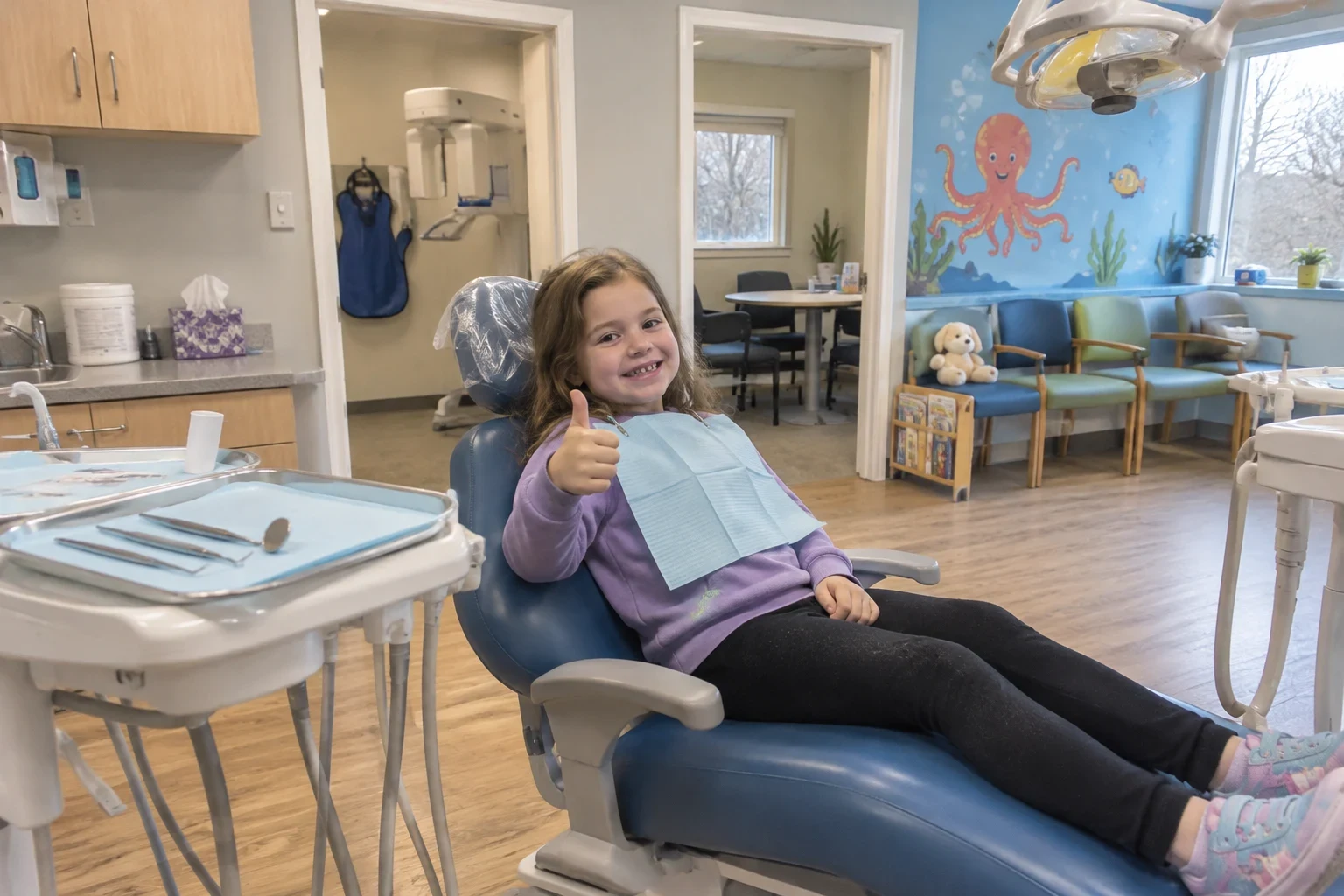
One phone call gets your child registered and on our schedule. Tell us what you are worried about, and we will explain what the visit will involve before you arrive.